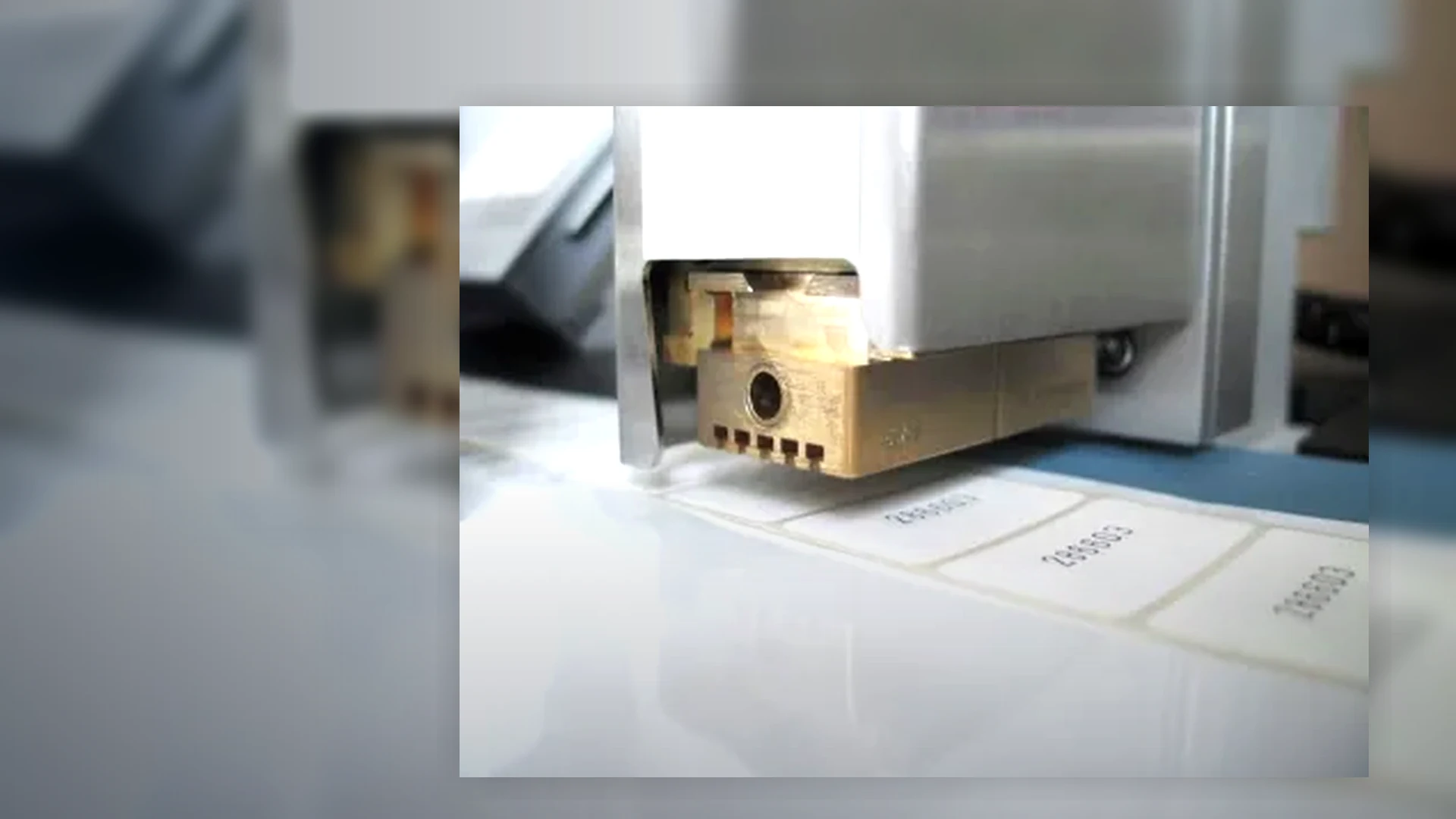
Household product coding machines
Print batch, date and traceability codes for household products, cleaning packs, bottles, labels and cartons.
Application guidance for household product coding.
How to specify this coding application
Household products often use bottles, trigger packs, labels and cartons where the code must remain readable after handling. Coding may be direct to container, onto labels or onto outer packaging depending on the line and pack material.
- Batch and date printing on bottles and labels
- Outer carton and case coding options
- Ink adhesion and rub resistance checks
- Integration with filling, capping and labelling lines
- Multiple bottle sizes and SKU changeovers
- Traceability code position and legibility checks
Recommended coding routes
Use these routes as a starting point before confirming samples, speed, substrate and integration details.
Bottle labels
Label coding is a controlled route where the bottle surface is difficult to print directly.
Cartons and outers
Thermal inkjet can support high-resolution data on suitable carton materials.
Simple batch marks
Hot foil can be reviewed for short marks on compatible label or film applications.
Related coding machinery pages
These pages help connect the application to the most suitable coding technology and support route.
Household product coding FAQs
Can household bottles be batch coded?
Yes, using either direct coding on compatible surfaces or label coding before application.
What affects code durability?
Ink or ribbon selection, surface type, drying time, handling and product environment affect durability.
Can coding be added to an existing label line?
Often yes, but the label path, speed and available print area need to be checked.
Can codes include QR or barcode data?
Yes, if there is enough print area and the code remains scannable on the finished pack.
Need help with household product coding?
Send your material, speed, code size and example data so Lancing can recommend the right coding route.