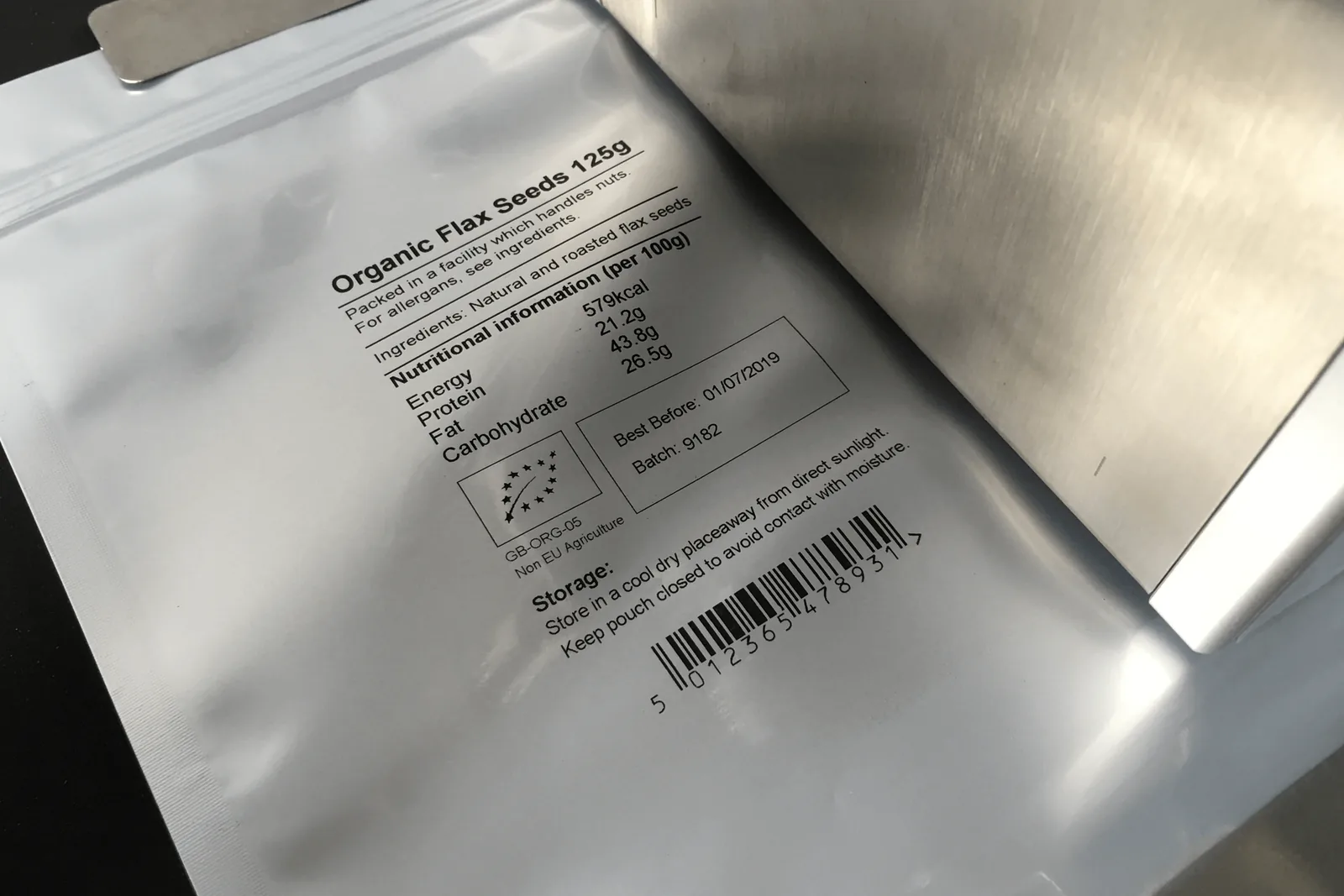
Print and apply labelling systems for variable identification
Use print-and-apply equipment when each pack needs a unique label, barcode, address or traceability identifier.
Application guidance for print and apply coding.
How to specify this coding application
Print-and-apply machines are used where the label itself must be printed and applied as part of the same process. They are useful for one-to-one identification, address labelling, serialised labels, barcodes and unique product information where pre-printed label rolls are not practical.
- One-to-one label printing and application
- Unique product, address or tracking labels
- Barcode and QR code label options
- Data source and message-management checks
- Label size, adhesive and applicator selection
- Integration with conveyors and pack handling
Recommended coding routes
Use these routes as a starting point before confirming samples, speed, substrate and integration details.
Unique label data
Print-and-apply systems suit products where each label may contain different data.
Traceability labels
Barcodes and QR codes can connect the pack to production, order or logistics records.
Offline label rolls
For fixed designs, offline label printers can produce rolls for later application.
Related coding machinery pages
These pages help connect the application to the most suitable coding technology and support route.
Print and apply coding FAQs
When should I use print-and-apply instead of a normal coder?
Use print-and-apply when the label changes pack by pack or when a full label must be printed and applied automatically.
Can print-and-apply systems print addresses?
Yes, they are suitable for address labelling and other one-to-one identification tasks.
Can they print barcodes and QR codes?
Yes, many systems are selected specifically for barcode, QR and tracking label applications.
What affects applicator choice?
Pack shape, label size, speed, spacing, orientation and required label position all affect the applicator setup.
Need help with print and apply coding?
Send your material, speed, code size and example data so Lancing can recommend the right coding route.