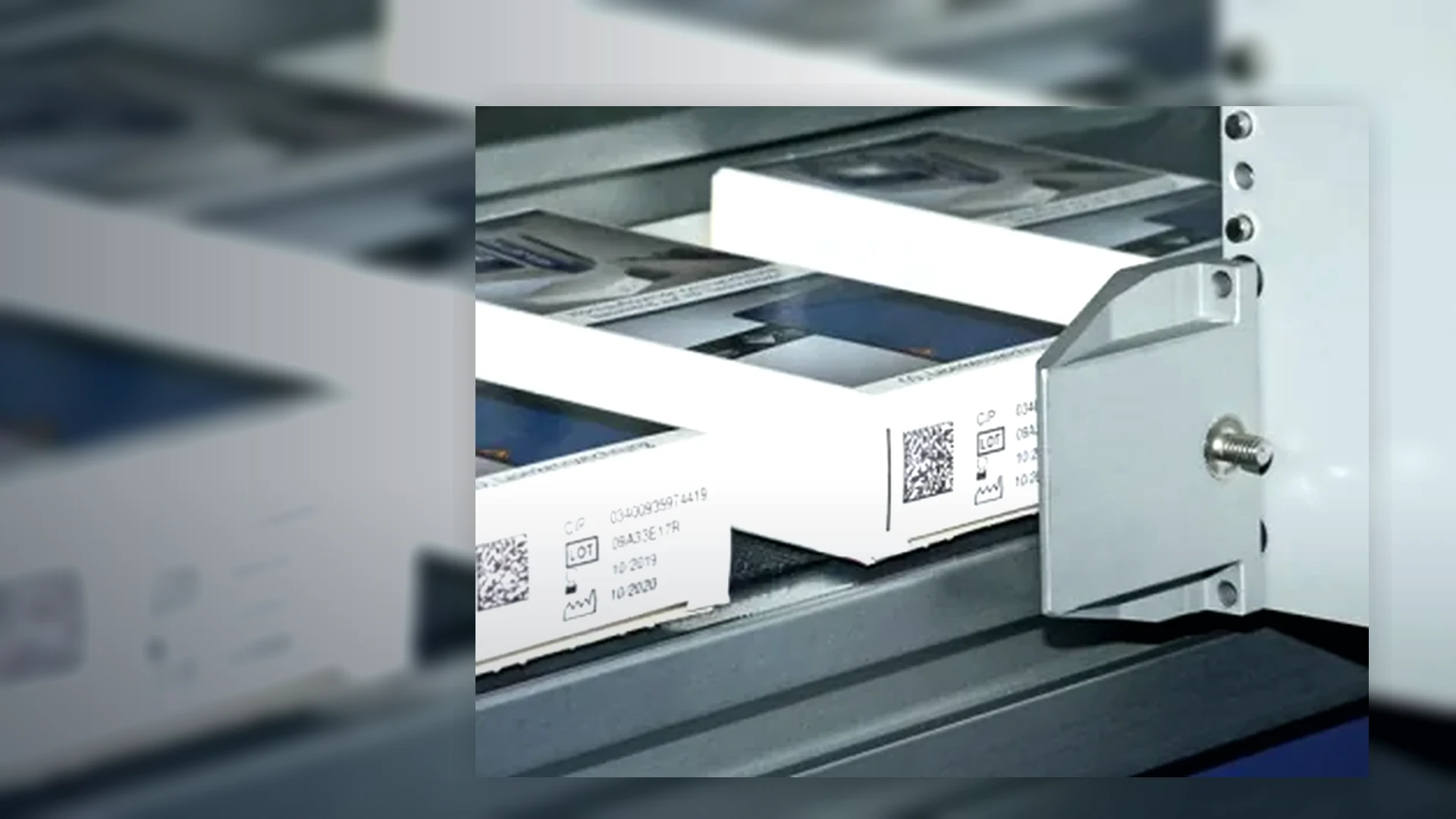
Chemical and lubricant coding machines
Plan batch, lot and traceability coding for chemical products, lubricants, technical liquids and industrial packaging.
Application guidance for technical product coding.
How to specify this coding application
Chemical and lubricant packs often involve bottles, containers, labels, cartons and outer packs where traceability and durability matter. The coder should be chosen around the surface, handling process, label format and required production data.
- Batch and lot number printing
- Bottle, container, label and carton applications
- Ink adhesion and rub resistance checks
- Outer case or carton traceability options
- Line integration with filling and capping equipment
- Operator changeover and message control
Recommended coding routes
Use these routes as a starting point before confirming samples, speed, substrate and integration details.
Label-based coding
Printing onto labels can be a controlled route for bottles and containers.
Carton and case codes
Thermal inkjet can add high-resolution data to suitable cartons or outer packs.
Traceability labels
Print-and-apply can support one-to-one labels where unique product or logistics data is required.
Related coding machinery pages
These pages help connect the application to the most suitable coding technology and support route.
Technical product coding FAQs
Can chemical bottles be date or batch coded?
Yes, either directly on suitable surfaces or via coded labels.
What should be checked for technical liquids?
Container surface, label material, rub resistance, line speed and code visibility after handling.
Can codes include barcodes or QR codes?
Yes, thermal inkjet and print-and-apply routes can support machine-readable codes when validated.
Can Lancing integrate coding with filling lines?
Lancing can advise on coding alongside broader packaging machinery and line integration requirements.
Need help with technical product coding?
Send your material, speed, code size and example data so Lancing can recommend the right coding route.
Test the code against the pack handling it will meet
Send the production container or label with details of its surface condition at the coding point. A clean sample at a desk may differ from a pack after filling and capping. Describe foreseeable contact with product, wiping or handling so the sample evaluation addresses the intended environment.
Separate the small variable production mark from the wider product label. Identify the permitted area for the code and ensure it does not obscure required artwork. Retain the approved position and message with the product reference so container or label changes trigger a review of coding suitability.
- Surface condition
- Record material, coating and the condition of the print face at the actual line position.
- Durability check
- Agree the relevant handling exposure and assessment method for the proposed mark.
Can one ink be assumed suitable for every industrial container?
No. Assess the actual print surfaces and required mark durability, and keep accepted combinations identified in the job record.