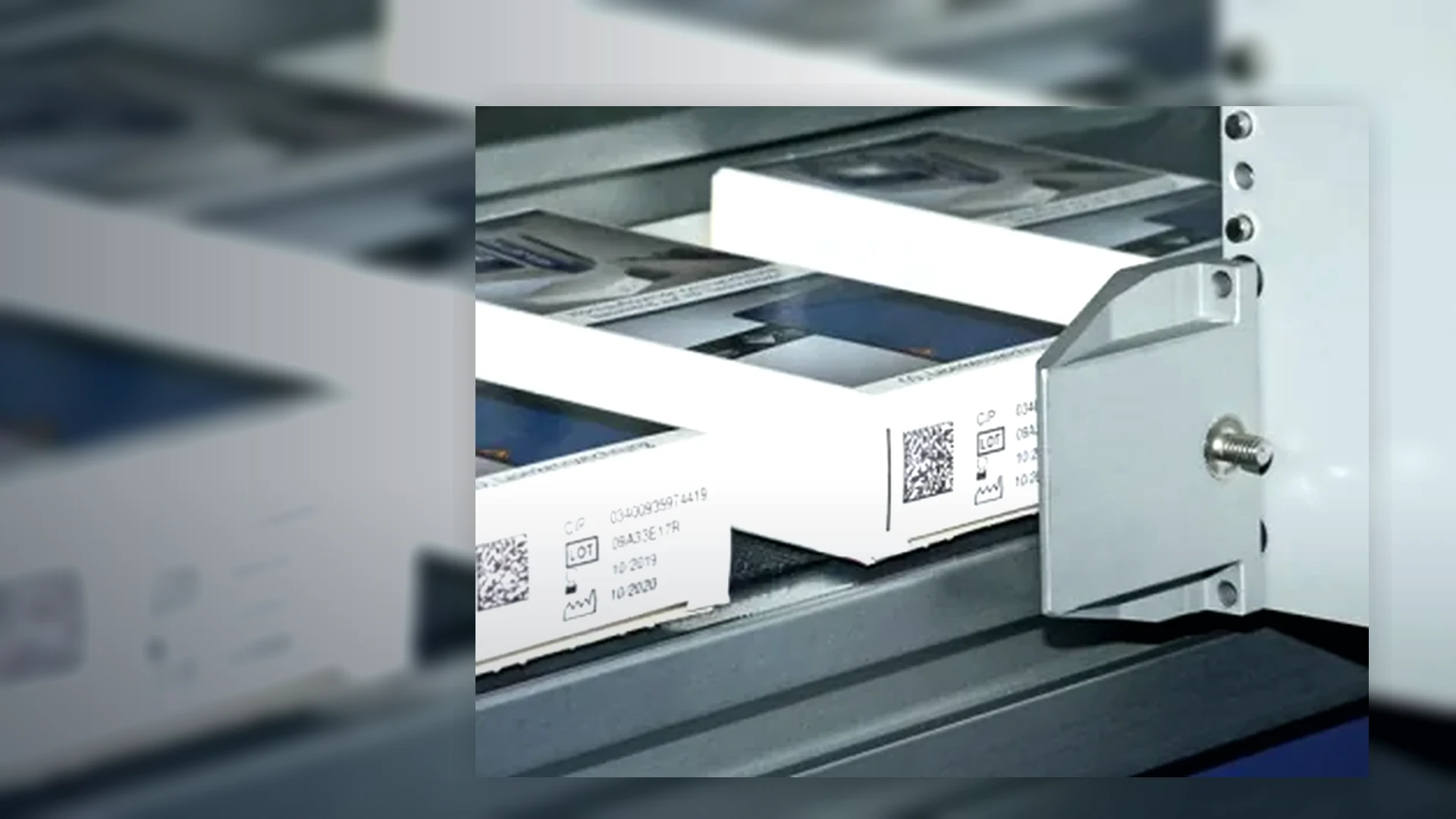
Coding machines and batch marking equipment
Browse hot foil, thermal inkjet and thermal transfer overprinter options for packaging lines, label application, film printing and traceability marking.
Product range
Three core coding technologies covering entry-level date codes through to high-resolution variable data printing.
Hot Foil Coder
Low-cost coding with heated type and inked ribbon for labels, film and intermittent packing machines.
- 80-150 times/min maximum speed
- Single and double line printing
- Suitable for plastic, leather, cloth and paper
Thermal Inkjet Coder
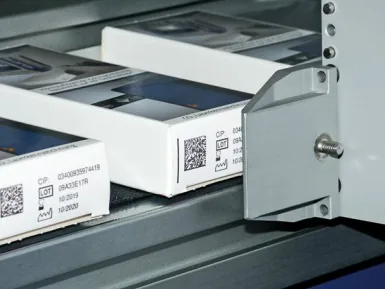
Online thermal inkjet printing for real-time data, logos, barcodes, batch lots and QR codes.
- 600 DPI print accuracy
- 1-8 adjustable lines
- Up to 70 m/min print speed
Thermal Transfer Overprinter
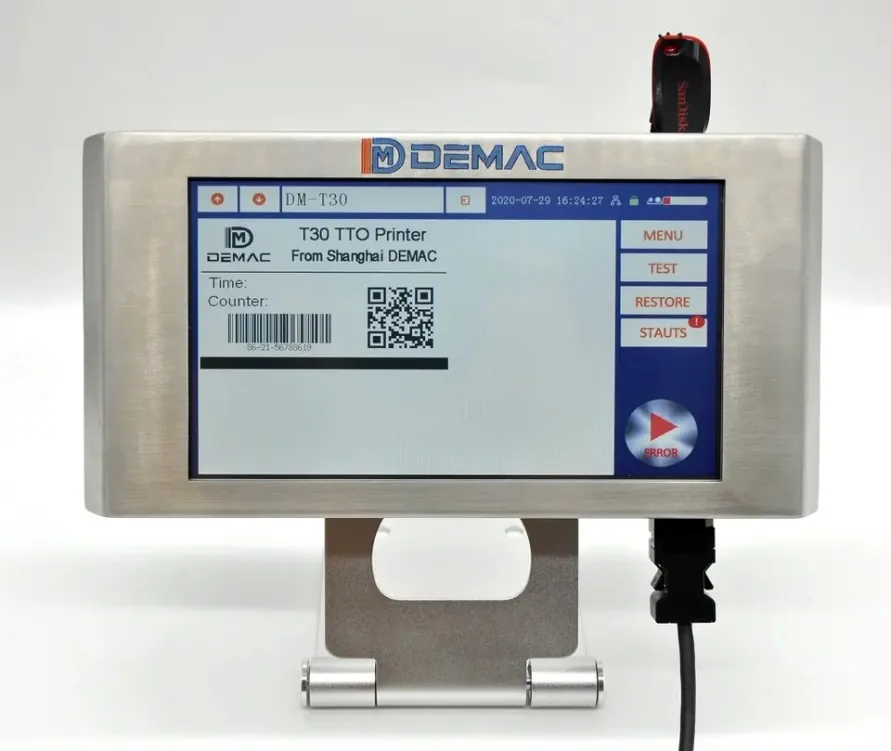
High-resolution thermal transfer coding for films, VFFS, pouches and packaging where print quality matters.
- T30 and T50 models
- 300 dpi print heads
- Continuous and intermittent modes
Shop by coding application
Use these application-led routes if you are searching by code type or pack format rather than printer technology.
Other coding and label printing options
Lancing can also discuss offline mono and colour label printers for roll label production, plus print-and-apply systems for one-to-one product identification, address labelling and unique packaging traceability.
Compare the verified coding range by message, movement and material
The model data below is a starting point for selection. It does not replace testing with the real substrate, complete print job and production-line timing.
| Technology or model | Verified print capability | Verified operating data | Best first use case |
|---|---|---|---|
| Hot foil coder | Single line 4 × 35 mm or double line 8 × 35 mm; maximum ribbon width 35 mm. | Maximum 80–150 cycles/min; 220 V, 50 Hz, 200 W. | Short, repeatable date or batch marks on compatible labels and intermittent packaging materials. |
| J511 thermal inkjet | 600 DPI; 1–8 lines; print height 1.0–12.7 mm; up to 2,000 characters per message. | Listed print speed 70 m/min; 42 ml ink; operating temperature 0–45°C and humidity 40–60%. | Flexible variable data, logos, barcodes and QR codes on a sample-approved substrate. |
| T30 thermal transfer | 32 mm, 300 DPI printhead; 32 × 70 mm intermittent or 32 × 150 mm continuous print area. | Up to 200 intermittent or 350 continuous prints/min; USB, RS232 and TCP/IP. | High-quality variable data on flexible film where a 32 mm print width is sufficient. |
| T50 thermal transfer | 53 mm, 300 DPI printhead; 53 × 70 mm intermittent or 53 × 150 mm continuous print area. | Up to 200 intermittent or 350 continuous prints/min; USB, RS232 and TCP/IP. | Flexible-film applications needing the wider 53 mm printhead and larger code layout. |
Selection questions that prevent the wrong machine choice
Resolve these points before comparing purchase price, because each one affects compatibility, consumables and achievable print quality.
What physically moves?
Record whether the product, label or film is stationary, indexed or continuously moving at the coding point. Include the maximum and normal line speeds, product pitch and available dwell time.
What has to be printed?
Provide the complete message, largest code layout and variable fields. Include barcode or 2D-code type, intended scanner, print height, number of lines and any logo or nutrition-table requirement.
What must the code survive?
Describe contact with belts, guides, oil, moisture, cold surfaces, condensation, cleaning and storage. Approval should use the ink or ribbon and substrate combination intended for production.
Continue into the correct specialist route
This site owns the broad coding-machine comparison. More specialised Lancing sites cover inkjet-only, labelling and complete-line enquiries in greater depth.
Choose the coding technology
Work from substrate, code content, motion and quality requirements before selecting a model.
Specialist inkjet coding
Use the inkjet-focused site when the project needs deeper comparison of TIJ, CIJ, large-character or portable inkjet routes.
Labelling and print-and-apply
Use the labelling site where the requirement is to print variable information onto a label and apply it to a product, carton, case or pallet.
Need a model checked against your application?
Send the substrate, code artwork, expected output and a short video of the coding position. Lancing can identify the tests needed before quotation.
Compare the complete coding station, not only the printhead
After the technical shortlist, assess product presentation, mounting, data, inspection, changeover and support on the same application basis.
| Decision | Evidence to request | Related guide |
|---|---|---|
| Commercial scope | Printer, mounting, controls, consumables, inspection, commissioning, training and spares shown separately. | Coding-machine cost factors |
| User requirement | Pack, message, line movement, data source, interfaces, fault response and acceptance method. | Coding-machine URS |
| Technology boundary | The same full message tested on the same production substrate and movement. | TIJ versus CIJ and direct coding versus labels |
| Acceptance | Trial, FAT and SAT scripts covering normal production, changeover, faults and recovery. | FAT, SAT and commissioning |
Use one application pack to compare hot foil, TIJ and TTO
Provide the exact substrate, largest message, machine movement, output and acceptance criteria so each route is assessed consistently.
Compare published machine data with the application duty
The same code can require different equipment when the pack, movement, print area, environment or data workflow changes.
| Machine route | Published reference | What must still be proved |
|---|---|---|
| Hot foil | 4 × 35 mm single line or 8 × 35 mm double line; 80–150 cycles/min maximum. | Type layout, ribbon, heat, pressure, dwell and repeatability on the intended material. |
| J511 TIJ | 600 DPI; 1.0–12.7 mm print height; listed speed 70 m/min. | Ink adhesion, product guidance, print distance, trigger timing, message density and code readability. |
| T30/T50 TTO | 32 mm or 53 mm, 300 DPI; intermittent and continuous formats. | Print window, film and ribbon, web registration, host-machine signals and finished-pack handling. |
Review the verified coding-machine specification reference and use the sample-print evidence checklist before approving a model.
Support each coding technology with the right project evidence
Hot foil, thermal inkjet and TTO need different consumables and machine interfaces, but each project should still control the sample, installation, settings and aftercare record.
Prove the code on the pack
Use representative materials, full artwork and realistic handling to identify the usable print window.
Define the line interface
Record print position, triggering, speed reference, mounting, data ownership and fault response.
Define the uptime plan
Approve consumables, maintenance checks, spare references and the evidence needed for support.