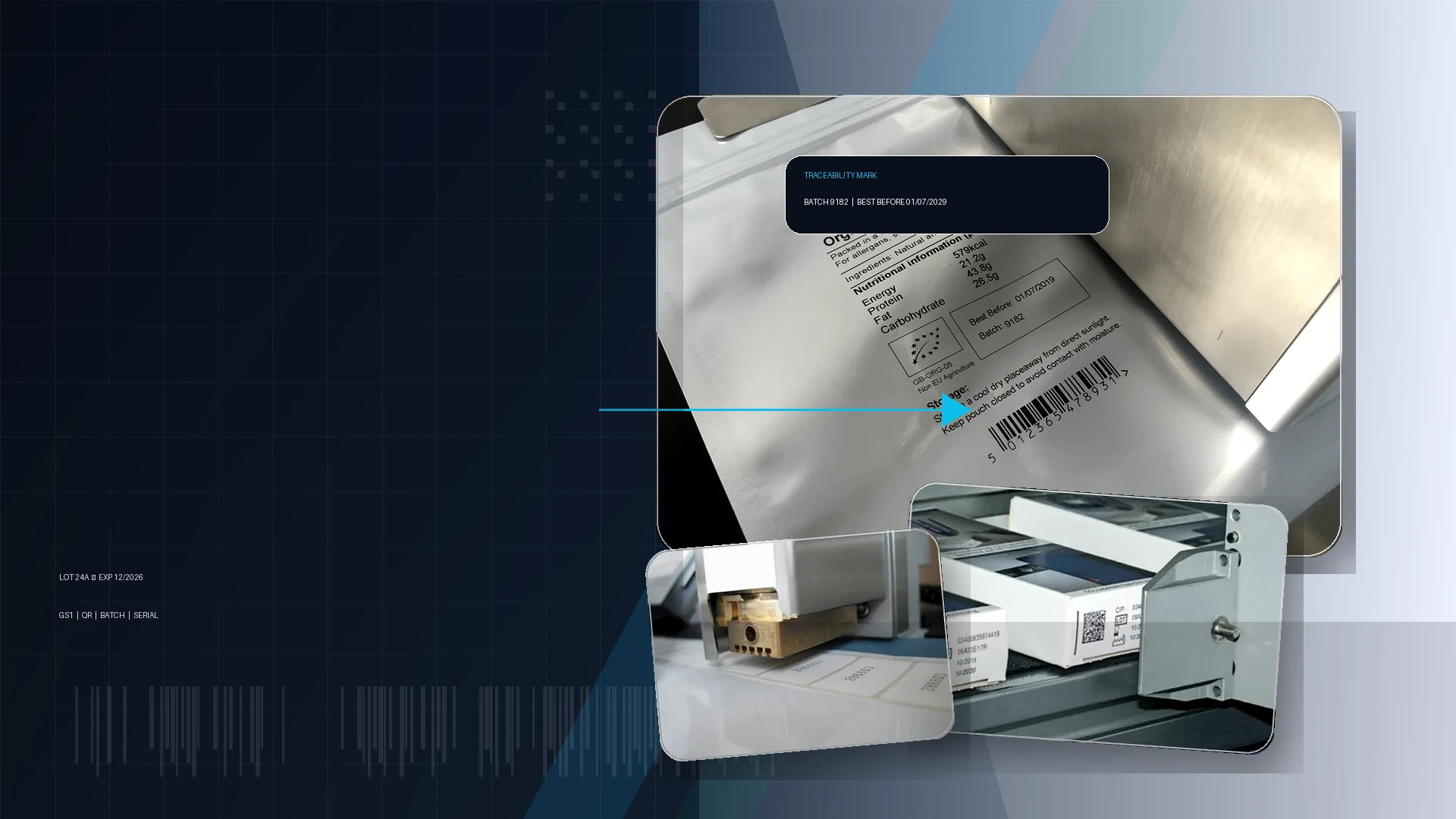
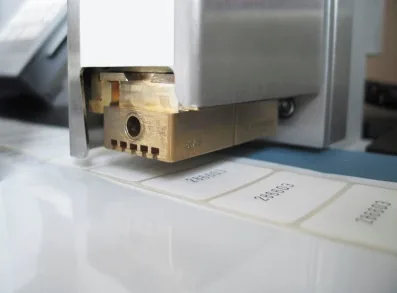
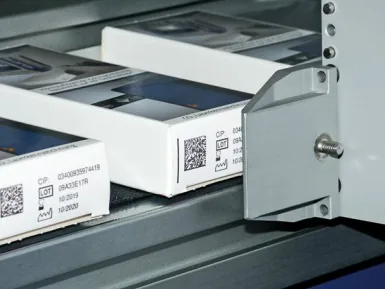
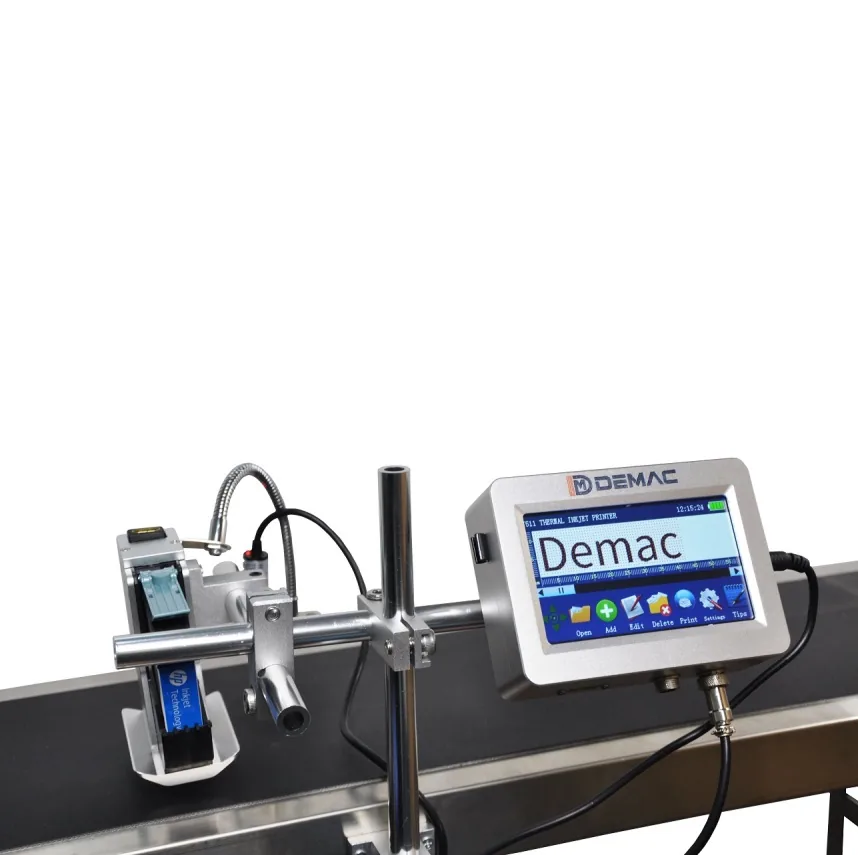
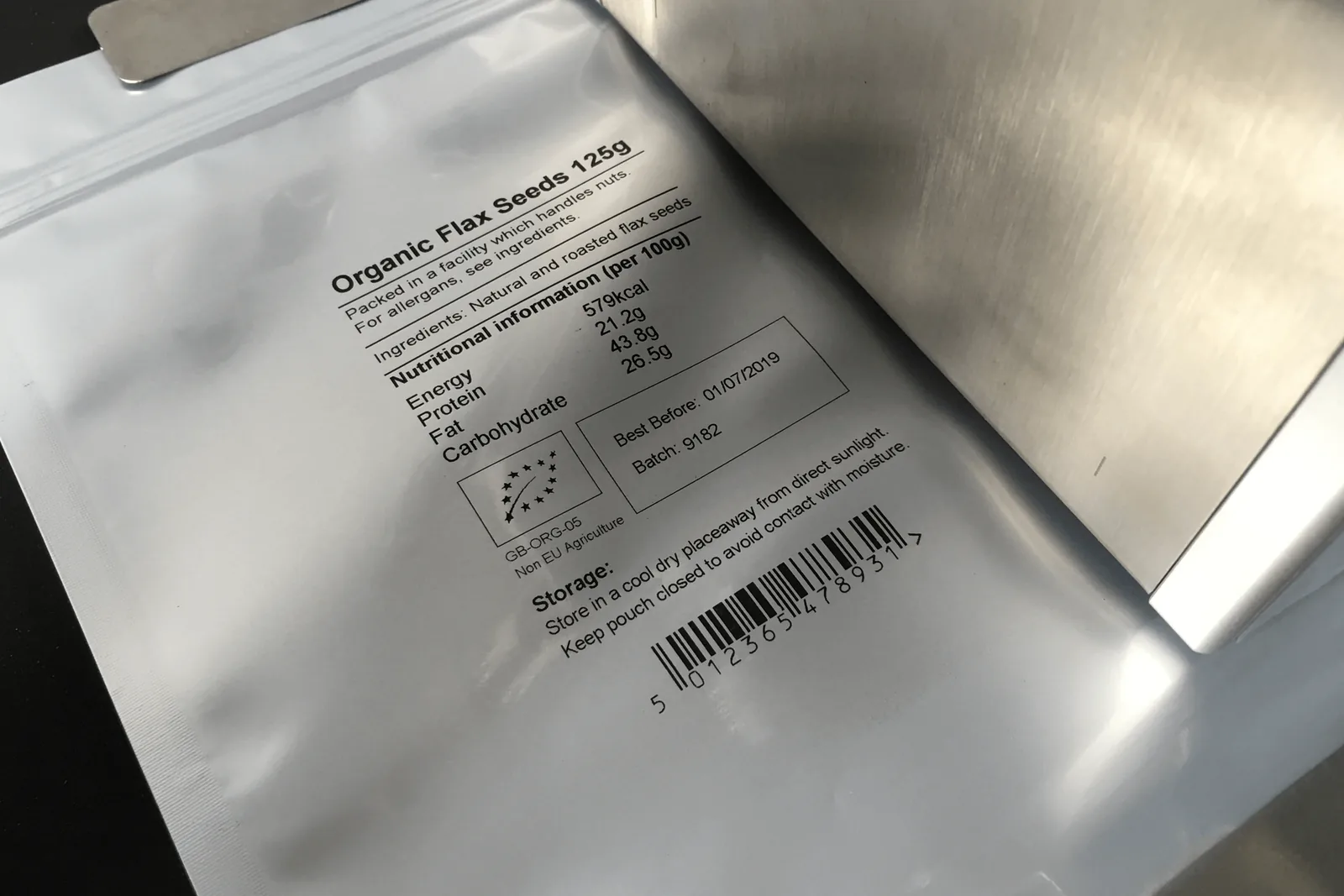
The same date or batch message can require a different printer depending on whether it is applied to a paper label, coated carton, plastic bottle, flexible film, pouch or outer case. Surface energy, colour, gloss, curvature and contamination can all affect adhesion and contrast. Lancing therefore needs the actual substrate or a representative sample before treating a print result as approved.
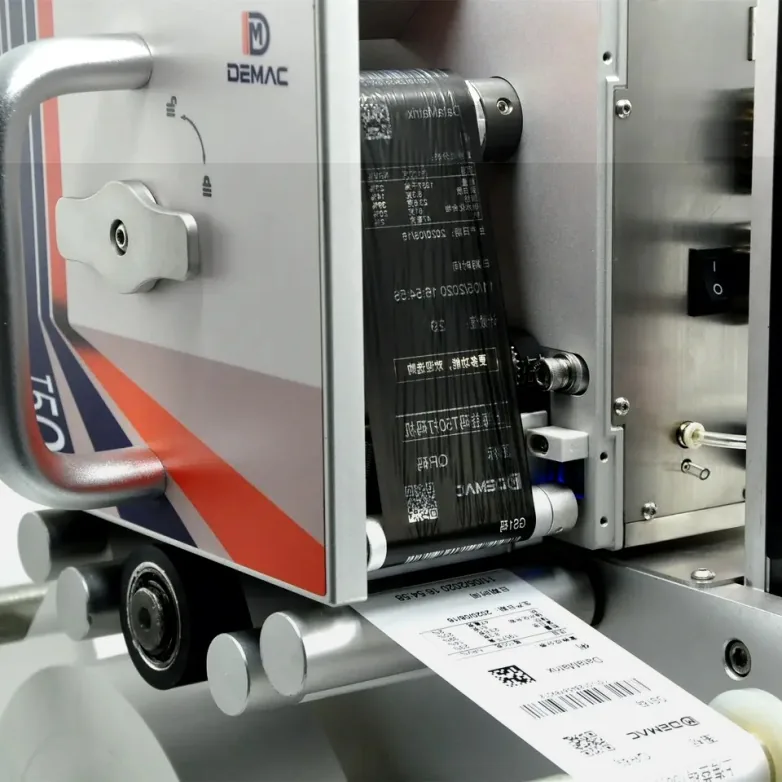
Line movement is equally important. Hot foil and intermittent thermal transfer systems need a controlled stationary period for the print cycle. Continuous thermal transfer follows moving web material, while thermal inkjet normally relies on a stable product path, a reliable trigger and a consistent print distance. The quoted machine speed is only one input: product pitch, acceleration, dwell time and print-message density also affect the practical result.
Define the message before choosing the hardware. Confirm the date format, batch or lot structure, number of lines, character height, barcode or 2D-code content, serial-number logic and whether data will be entered by an operator or supplied by another system. This makes it possible to check print area, resolution, software workflow and changeover risk before a machine is selected.
For machine-readable codes, visual sharpness alone is not enough. The project should agree the code type, data structure, intended scanner or verifier, minimum acceptable result and the action taken when a code is missing or unreadable. That may be a line stop, an alarm, a reject device or a controlled manual response, depending on the process.
Environmental conditions should be recorded as part of the brief. Temperature, humidity, dust, oil, condensation, washdown, product splash and contact with downstream belts or guides can change the result. A sample that looks correct immediately after printing should also be checked after its expected handling, storage and transport exposure.
Send Lancing a sample pack, the target code artwork, line-speed information, a short video of the product movement and any existing controls or data requirements. Those details allow the coding station to be considered as part of the packaging process rather than as an isolated printer on a stand.