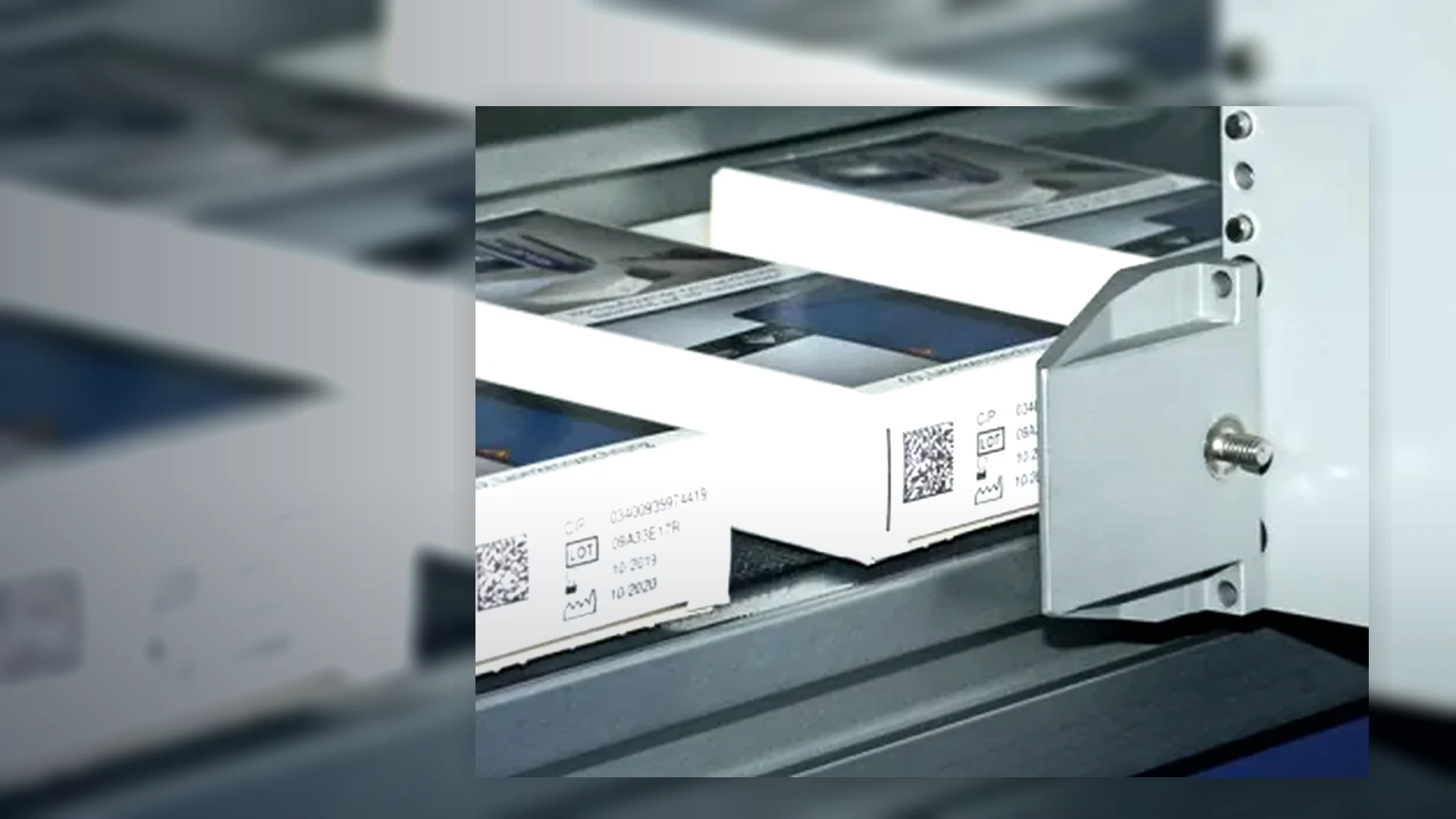
Bottle coding machines for dates, batches and traceability
Code bottles, jars and containers with date, batch, lot and traceability data using the right direct-print or label-coding route.
Application guidance for bottle coding uk.
How to specify this coding application
Bottle coding needs careful attention to surface shape, container handling and print position. Some projects are best coded on the label before application, while others need direct marking on the bottle, cap, shoulder or carton. The correct choice depends on the bottle material, surface finish, conveyor stability and code content.
- Bottle material and colour
- Flat, curved or irregular print area
- Conveyor speed and product stability
- Code size, contrast and durability needs
- Whether the mark goes on bottle, cap, label or carton
- Inspection and rejection requirements
Recommended coding routes
Use these routes as a starting point before confirming samples, speed, substrate and integration details.
Coding the label first
Use a label coding route when the product is already labelled and the code can be added cleanly before application.
Direct-to-bottle marking
Thermal inkjet may suit selected bottle and carton materials when the surface, ink and line speed are compatible.
Combined line integration
Plan coding alongside filling, capping, labelling and conveyors so sensor position and product handling are correct.
Related coding machinery pages
These internal resources help buyers move from the application to the correct machine technology.
Thermal inkjet coders
Continue to this related coding machinery page for deeper specification guidance.
Label coding machines
Continue to this related coding machinery page for deeper specification guidance.
Applications
Continue to this related coding machinery page for deeper specification guidance.
Bottle coding UK FAQs
Can thermal inkjet print on bottles?
It can print on selected bottle and packaging surfaces when the ink type, surface finish and handling conditions are suitable.
Should bottles be coded before or after labelling?
Often the cleanest route is to code the label before application, but direct bottle or cap coding can be suitable for some products.
What affects bottle code quality?
Container stability, printhead distance, surface finish, line speed, ink choice and code contrast all affect final mark quality.
Need help with bottle coding uk?
Send your material, speed, code size and example data so Lancing can recommend the right coding route.
Choose the code position from container geometry and line handling
Bottle, jar, tub and can coding can be placed on the closure, base, label, sleeve or container wall. The best route is the one that presents a stable surface, remains visible after packing and can be inspected under realistic line conditions.
Jars and tubs
Compare lids, labels, bases and curved walls, including moisture, rotation and post-print contact.
Cans and metal containers
Control coating, curvature, glare, condensation, product spacing and camera lighting.
TIJ versus CIJ
Compare print distance, geometry, substrate, movement, environment and maintenance.
Direct print versus labels
Choose from code area, surface control, changeover, label process, rework and inspection.
Vision and reject
Account for curvature, glare, product rotation, tracking distance and known bad challenges.
Diagnose coding faults
Separate surface, ink, position, trigger, data and inspection causes before changing settings.
Send every container and closure variant
Include filled or representative packs, the complete message, line video, code location and downstream handling.