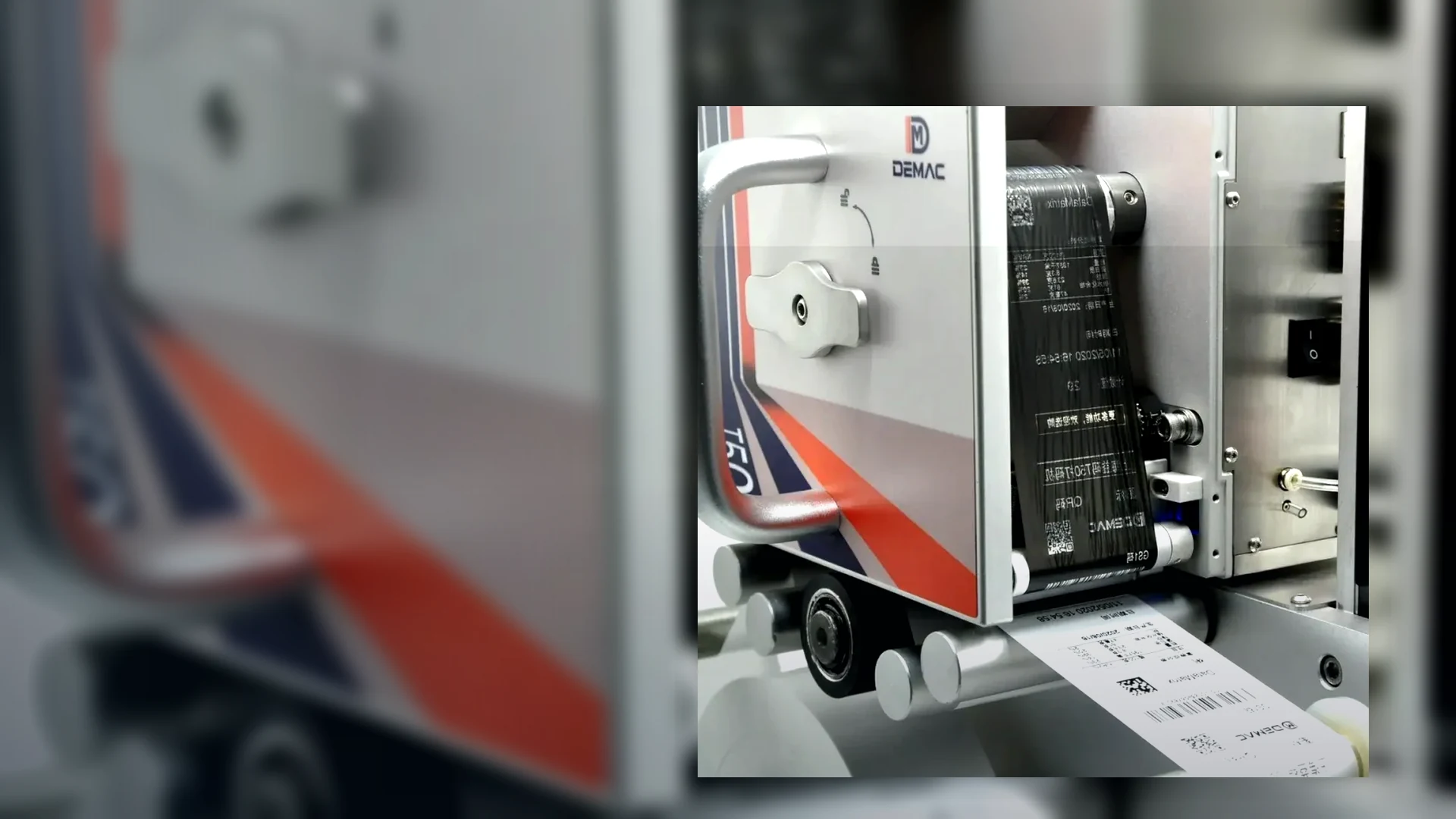
What is the difference between a good print sample and an approved application record?
A good print sample shows that a code was produced under one condition. An approved application record explains how to reproduce that result: material, consumable, message, printer and line settings, environmental condition, handling sequence, inspection method and acceptance decision. Without those details, the sample cannot reliably support production or fault investigation.
Keep the physical or digital sample linked to the machine, job and test record rather than storing it as an unidentified example.
Which print and substrate details should be recorded?
Record the pack or film specification, supplier and relevant variant, colour, coating or treated side, code location, ink or ribbon, printer settings, print gap, motion mode, speed condition and the handling or conditioning completed before approval. Include the full message and its physical size.
Where precise supplier batch information is available and relevant to the quality system, retain it. Unknown data should be marked as unknown rather than reconstructed later.
Which software, message and data settings should be retained?
Retain the approved template or job version, variable fields, date and batch rules, barcode data, user permissions, job-selection method, mapping tables, communication settings and recovery behaviour. The record should identify which system owns each field and who may authorise a change.
Export or back up settings only through the supported method for the selected equipment. A screenshot can support the record but may not capture the complete configuration.
What maintenance and consumables information should be controlled?
Control the approved consumable grade, storage condition, replacement method, cleaning materials, routine checks, wear items, critical spares and the maintenance action that triggers a recheck. This prevents an apparently minor substitution or service adjustment from moving the application outside its qualified window.
Use the consumables and maintenance guide to separate routine care from changes that need renewed approval.
Which FAT and SAT results should be linked to the installed machine?
Link the accepted samples, tested jobs, speeds, formats, user roles, interfaces, alarms, communications-loss response, inspection and reject challenges, recovery sequence, training and outstanding deviations to the installed machine identity and final configuration.
FAT evidence should be distinguished from SAT evidence because the latter proves conditions that depend on the real line, utilities, product path and site systems.
How should later changes be assessed?
Compare any later change in substrate, consumable, message, software, mounting, speed, sensor, encoder, inspection, line layout or maintenance part with the approved application record. Decide whether the change is equivalent, needs a limited confirmation test or requires a new trial and release.
Use version control and retain the reason, evidence and approver for each accepted change. This keeps the coding process understandable after staff, suppliers or equipment conditions change.