Coding print quality and substrate testing
Validation guide

Coding print quality and substrate testing

Approve ink or ribbon, code quality and finished-pack durability using production materials and a recorded test method.

Use a controlled sample plan

Print quality is the result of a complete combination: printer, ink or ribbon, material, message, settings, speed, environment and handling.

Collect samples that represent production rather than only the easiest material. Include every different film, label coating, carton finish, bottle colour or surface treatment that could affect adhesion or contrast. Record supplier and material references so the approved result can be traced.

Prepare the full production message. Use the smallest character, narrowest barcode feature, largest data layout and every variable field expected in normal operation. A short date-only sample does not prove that a dense barcode, logo or multi-line job will work at the same speed.

Run at normal and maximum expected line conditions. Record speed, product pitch, print distance, print energy or quality settings, ink or ribbon, ambient conditions and drying or cooling time. Where the printer is installed on VFFS or flow wrapping equipment, inspect the code again after forming and sealing.

Adhesion and rub testing should reflect the real exposure. The project may require dry rub, contact with belts or guides, oil, water, condensation, heat, cold, cleaning chemicals or storage. There is no universal pass result in this guide because the customer must define what the code needs to survive.

For a barcode, QR or DataMatrix symbol, agree the scanner or verifier and the acceptance threshold before testing. Keep the code size, quiet area, contrast and substrate fixed when comparing printers. A symbol that scans once under ideal lighting is not automatically approved for the production process.

Retain an approved sample and the conditions that produced it. That reference helps operators and service engineers distinguish a printer fault from a changed substrate, consumable or line condition later.
Suggested print trial record

RecordDetails to captureReason
MaterialSupplier, reference, colour, coating, print side, batch and sample condition.Small material changes can alter adhesion and contrast.
ConsumableInk or ribbon reference, batch where needed, storage and installation date.The approved result belongs to the consumable/substrate combination.
MessageJob name, text, date/batch fields, barcode or 2D data, size and orientation.Message density and dimensions affect speed and readability.
Printer settingsResolution, quality/energy, speed, delay, print distance or pressure and mode.Settings must be repeatable after service or changeover.
Line conditionsNormal and maximum speed, pitch, movement, trigger, environment and downstream contact.A bench sample may not reproduce production behaviour.
Acceptance resultPosition, completeness, contrast, adhesion/rub, scanner or verifier and approver.The pass condition and method must be unambiguous.

Application footage and sample-print gallery

The supplied media provides real coding references. It does not replace a documented trial on the customer’s own material.

What to observe

  • Product or web stability at the printhead.
  • Trigger position and code location.
  • Access for consumable replacement and cleaning.
  • Time available before the printed surface touches another component.
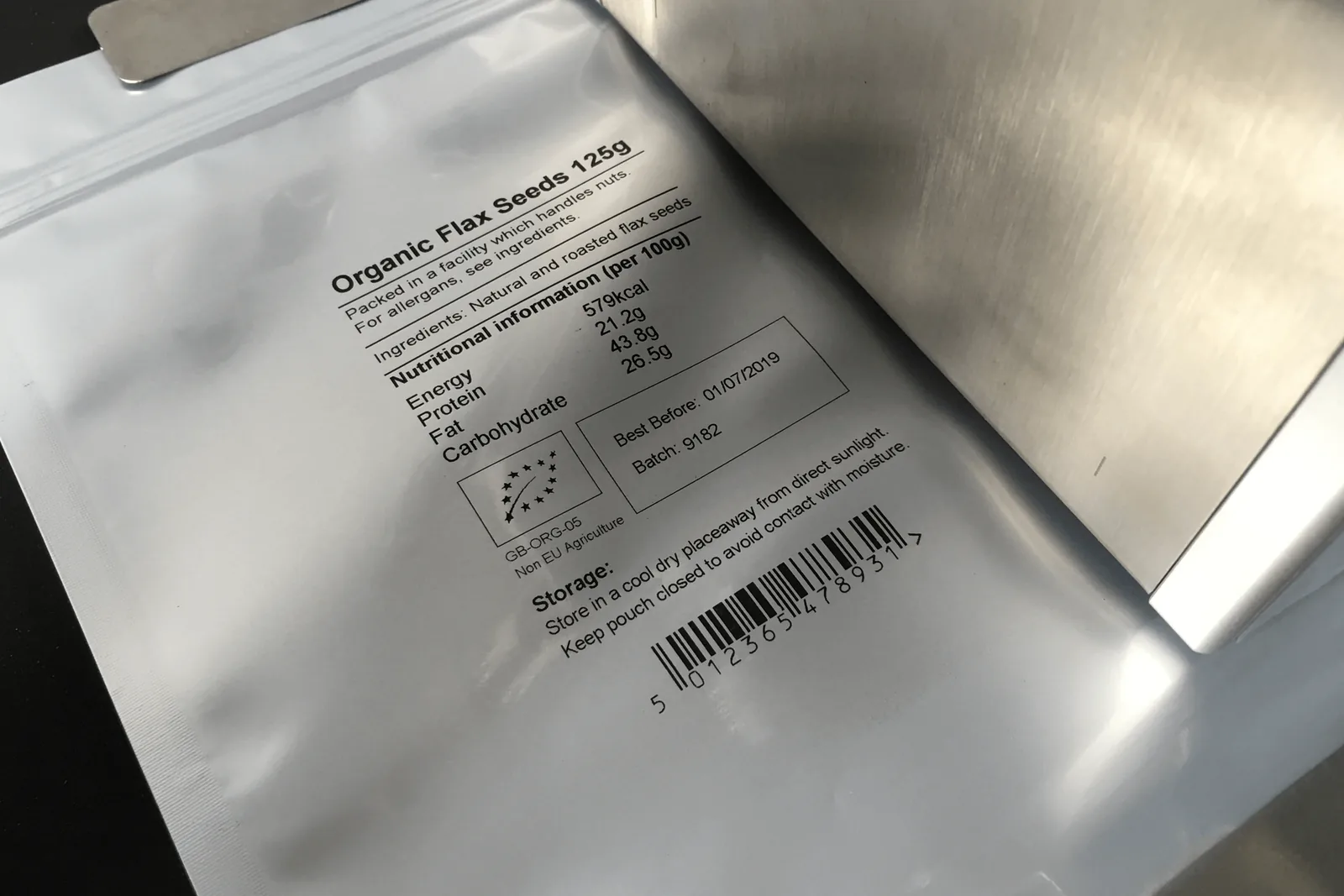
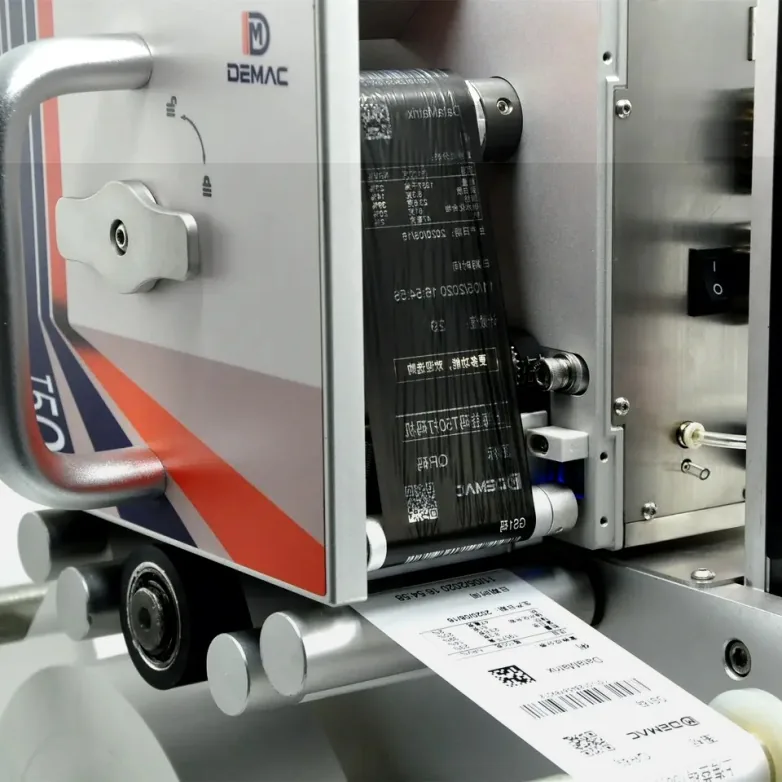
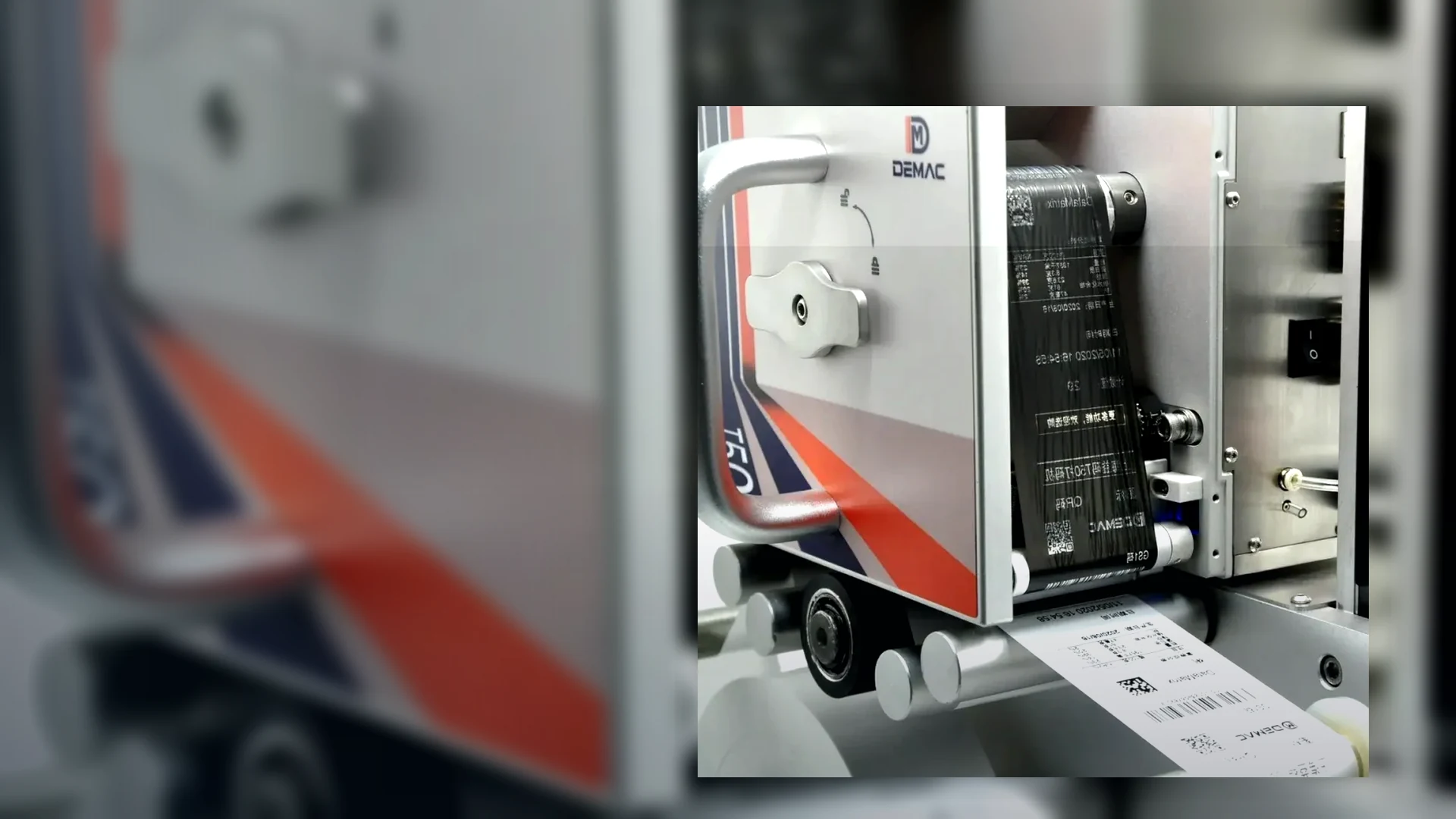
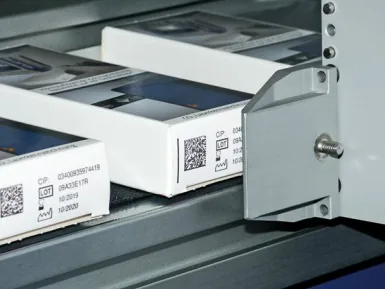
Thermal inkjet date and batch code samples printed onto cartonsThermal overprinter sample showing variable text and a barcodeThermal transfer overprinter mounted above flexible packaging film

Challenge samples for verification and reject tests

Create known faults so the inspection and response can be proved without relying on random production failures.

Missing or incomplete print

Use blank, pale and partially missing samples within the range the system is expected to detect.

Position and content faults

Challenge displaced codes, wrong job data, reversed or malformed symbols and an old batch or date value.

Handling damage

Use rubbed, smeared, stretched, heated or condensed samples where those conditions represent the real process.

Print quality testing FAQs

How many samples are needed for a coding trial?

Enough material is needed to set up, run at normal and maximum speed, test starts and stops, create challenge samples and retain approved references. The exact quantity depends on the host machine and pack.

Can a sample be approved immediately after printing?

Only if immediate appearance is the complete requirement. Most applications should also check the code after its normal drying or cooling time and downstream handling.

What is a rub-resistance test?

It is a controlled check of whether the code remains acceptable after defined contact. The material, force, number of strokes and pass result should reflect the customer’s real handling risk.

Why should the largest message be tested?

A larger or denser job can need more print time, ribbon, ink and processing than a short date code, affecting speed and readability.

Does a successful handheld scan approve a barcode?

It proves that one device decoded one sample under those conditions. If a controlled quality result is required, specify the verifier, method and acceptance threshold.

What should be retained after approval?

Keep representative printed samples, the material and consumable references, message, printer settings, line conditions, inspection result and approval date.

Prepare production samples for a coding trial

Send the exact substrate, full message, intended speed, downstream exposure and scanner or verifier requirement.

Arrange a sample review
Contact us