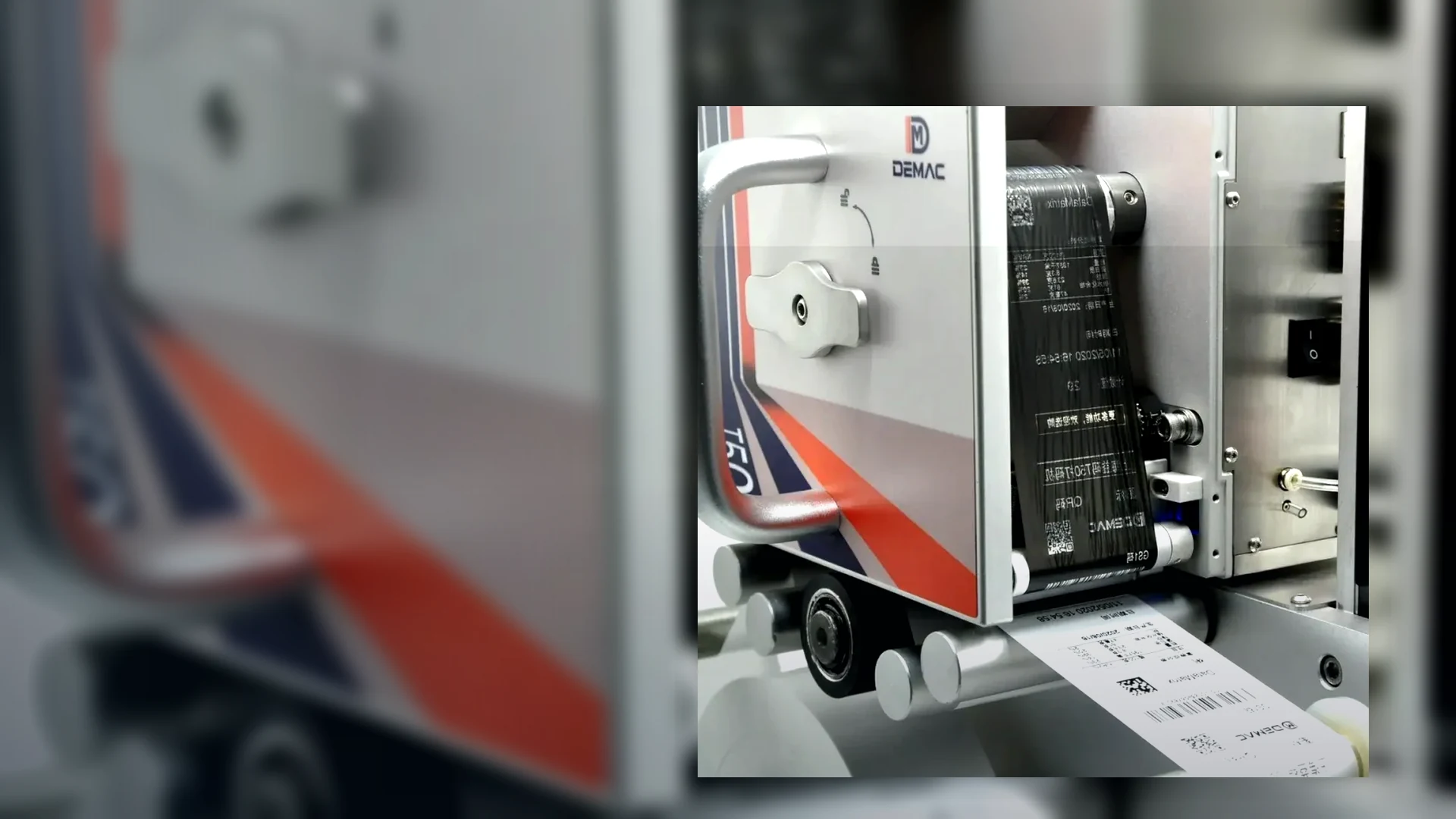
Coding machinery technical resources
Verified machine data, first-party media and practical guides for specifying, testing and integrating date, batch and traceability coding.
Choose the resource by the decision you need to make
The library separates published machine data, application evidence, substrate selection, line presentation and acceptance testing so a buyer can move from a broad coding requirement to a controlled trial.
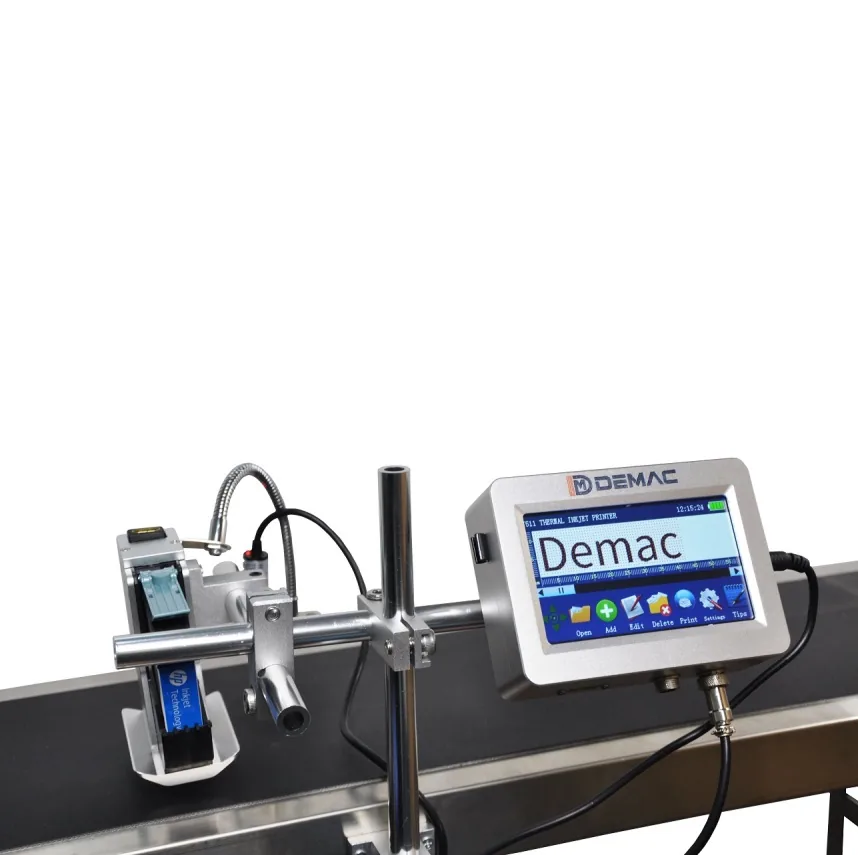
Verified machine data
Review the published hot-foil, J511 TIJ and T30/T50 TTO values before defining the application test.
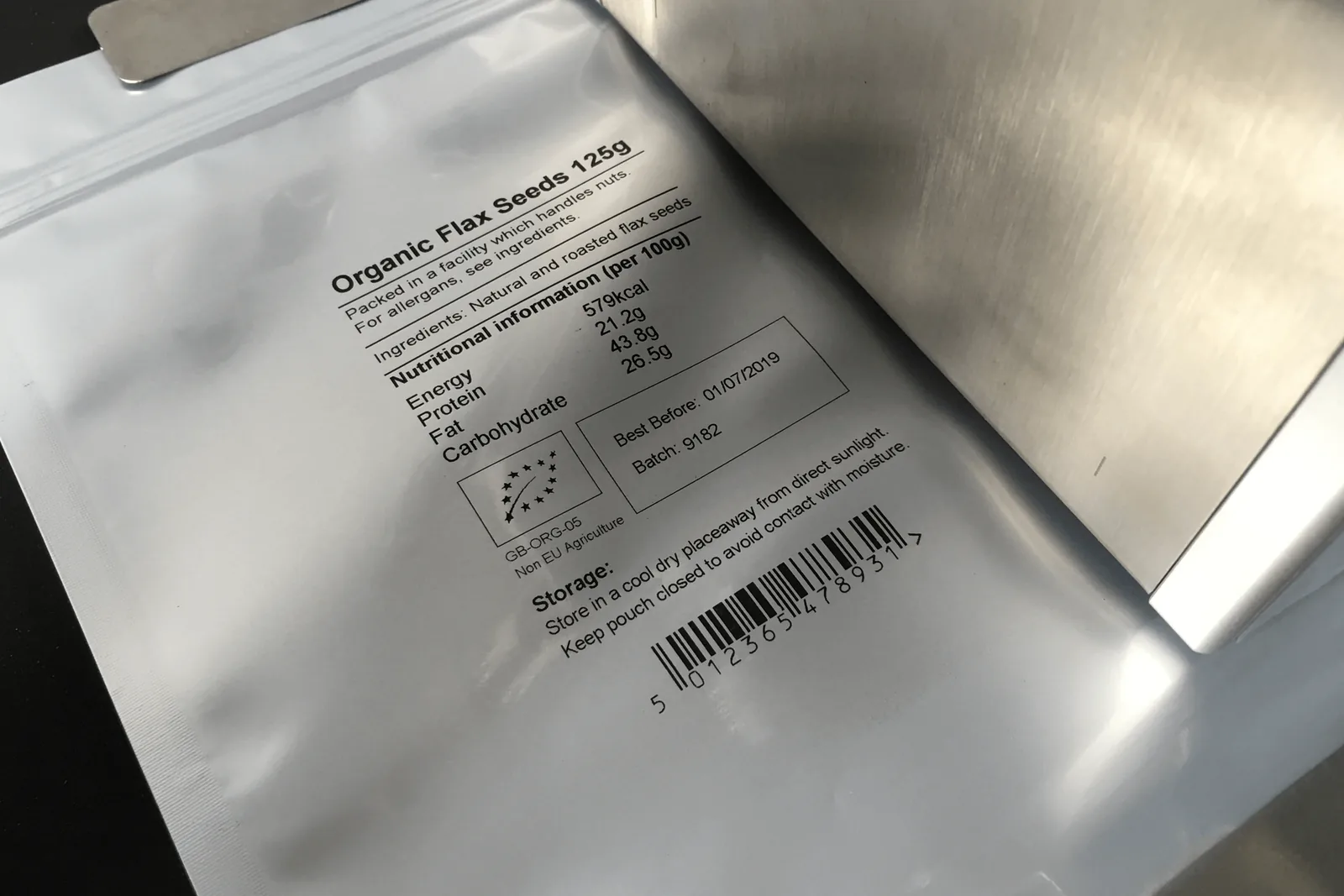
Sample prints and application footage
Use project-owned images and videos to discuss print location, material movement, access and the evidence a trial must record.
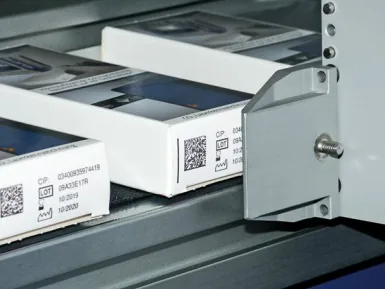
Inline or offline coding
Compare printing on a moving production pack with coding flat cartons, sleeves or pouches before they enter the packaging process.
Porous and non-porous materials
Translate absorbency, coating, surface treatment, contamination and downstream contact into an ink, ribbon or hot-foil trial.
Integration and data control
Define product detection, encoders, PLC I/O, ERP or MES fields, verification and the response to a failed code.
FAT, SAT and handover
Turn real packs, full jobs, controlled faults and changeovers into an acceptance record that production can repeat.
Use the library to build one controlled coding brief
The most useful enquiry describes the pack and the production risk, not only the preferred printer name.
Information to bring
- Production substrate, colour, coating, treatment and print location.
- Full message artwork, variable fields and any barcode or 2D-code data.
- Normal and maximum line movement, pitch, print window and available mounting space.
- Expected handling, moisture, oil, dust, heat, abrasion or contact after printing.
Evidence to agree
- Approved consumable and machine settings.
- Print-position, adhesion, rub and machine-readable acceptance method.
- Response to a wrong, missing, unreadable or misplaced code.
- Changeover, first-off approval, maintenance and retained records.
Turn the research into a sample trial
Send the production pack, complete message, line movement, data source and acceptance requirement so Lancing can identify the most useful next test.
Turn technical evidence into a supported project
The specification and sample resources establish what needs to be proved. The service routes below organise the practical work around that evidence.
Application trial service
Define the sample matrix, complete message, conditioning, handling and acceptance record.
Installation and integration service
Plan the coding position, product control, signals, data, inspection and safe access.
Aftercare and spares service
Retain the machine identity, approved process, maintenance baseline and support evidence.